Simulation
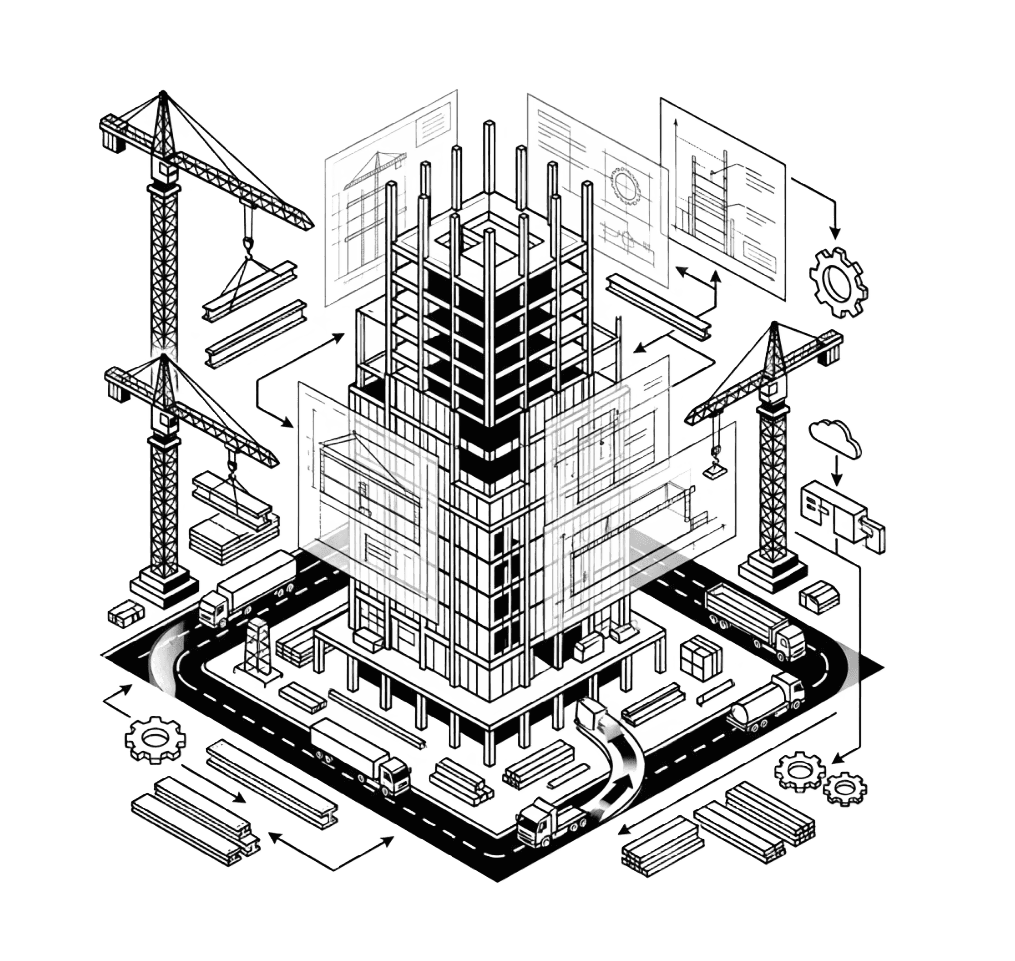
Simulation is the bridge between a theoretical plan and a high-performance reality. My work in this field, rooted in my PhD research, focuses on the application of Advanced Process Simulation to solve intricate logistical and spatial challenges. By utilizing Discrete Event (DES) and Agent-Based Modeling (ABM), I create dynamic environments where construction activities, traffic flows, and drive-thru operations can be rigorously tested. These simulations allow stakeholders to visualize not just the final structure, but the efficiency of the processes that happen within and around it.
Technical Highlights:
PhD Research Integration: Showcasing a hybrid spatial-temporal model for construction activity analysis.
Agent-Based Modeling (ABM): Simulating individual "agents" (vehicles/pedestrians) to predict complex traffic patterns and bottlenecks.
Discrete Event Simulation (DES): Optimizing sequential processes like drive-thru service chains and construction logistics.
Level 4 Digital Twins: Implementing high-fidelity simulations that sync with real-world data for continuous performance monitoring.
The Future of Spatial-Temporal Infrastructure Management
This video presents the culmination of my PhD research: a high-fidelity Digital Twin framework developed for large-scale infrastructure projects. Moving beyond static BIM, this model utilizes Hybrid Simulation to synchronize construction schedules with real-world spatial constraints. The result is a dynamic "Comprehensive Twin" that allows project managers to visualize construction sequences, predict logistical bottlenecks, and monitor performance through integrated Business Intelligence (BI) dashboards.
Operational Intelligence: Integrated Drive-Thru & Retail Simulation
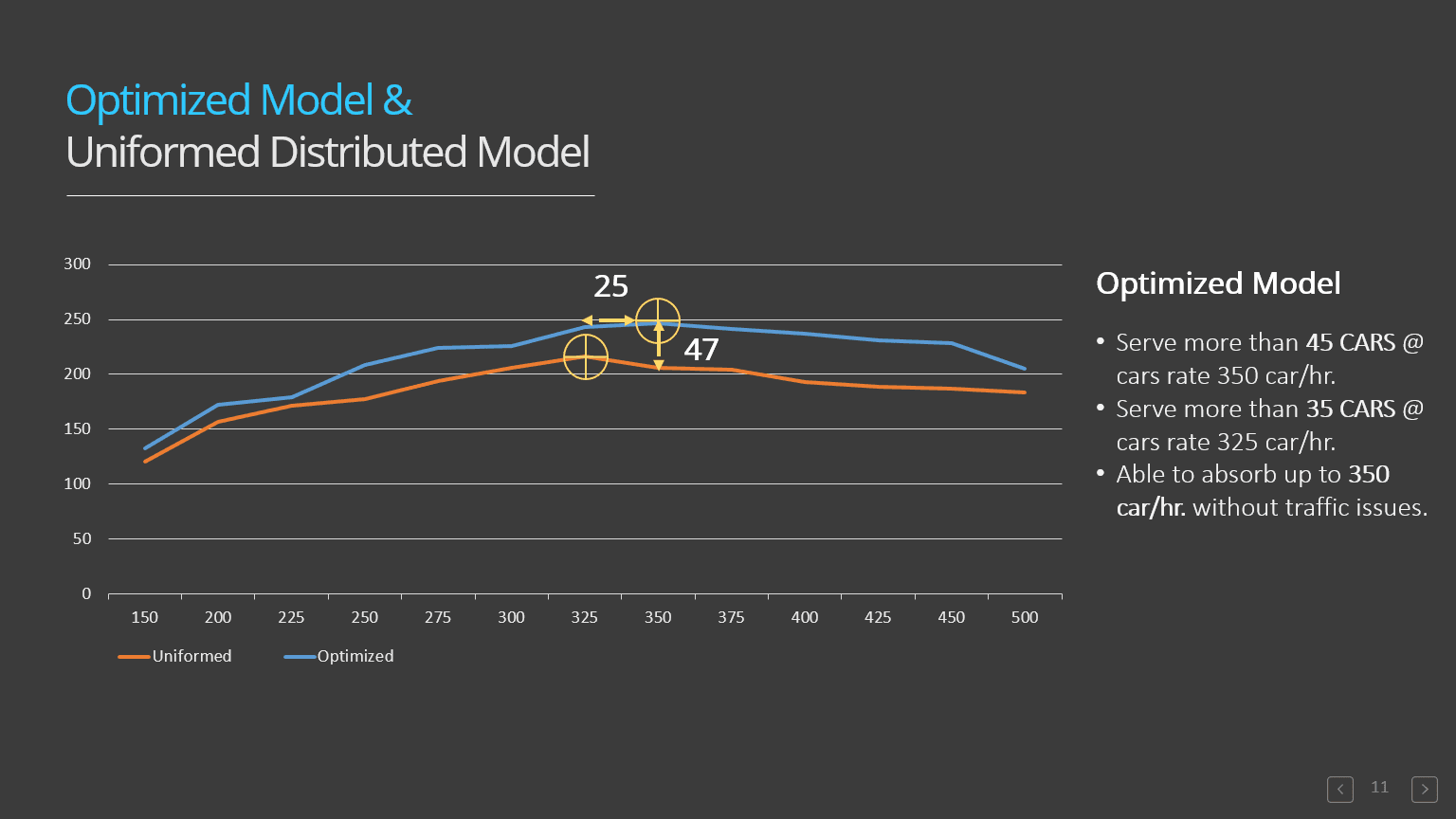
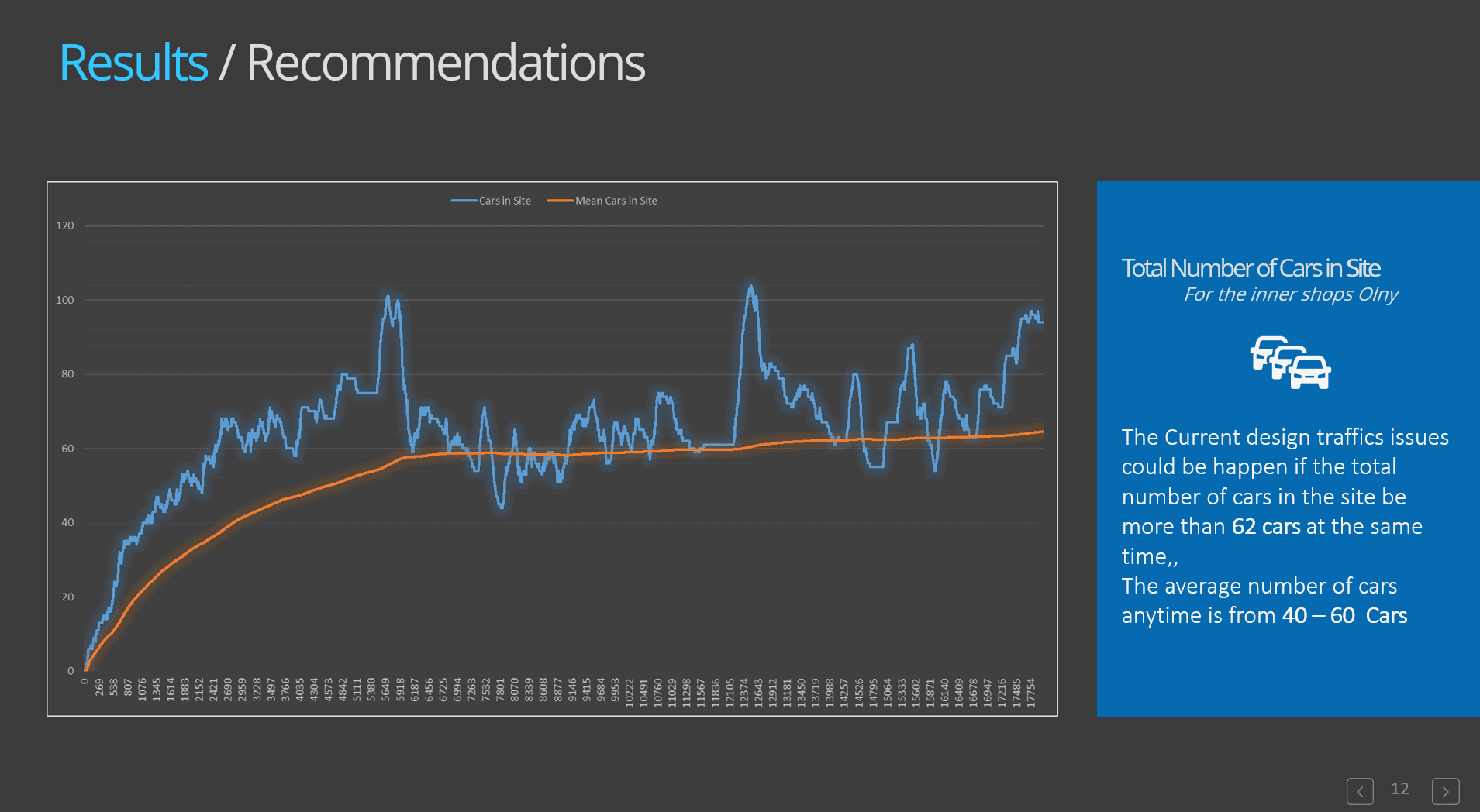
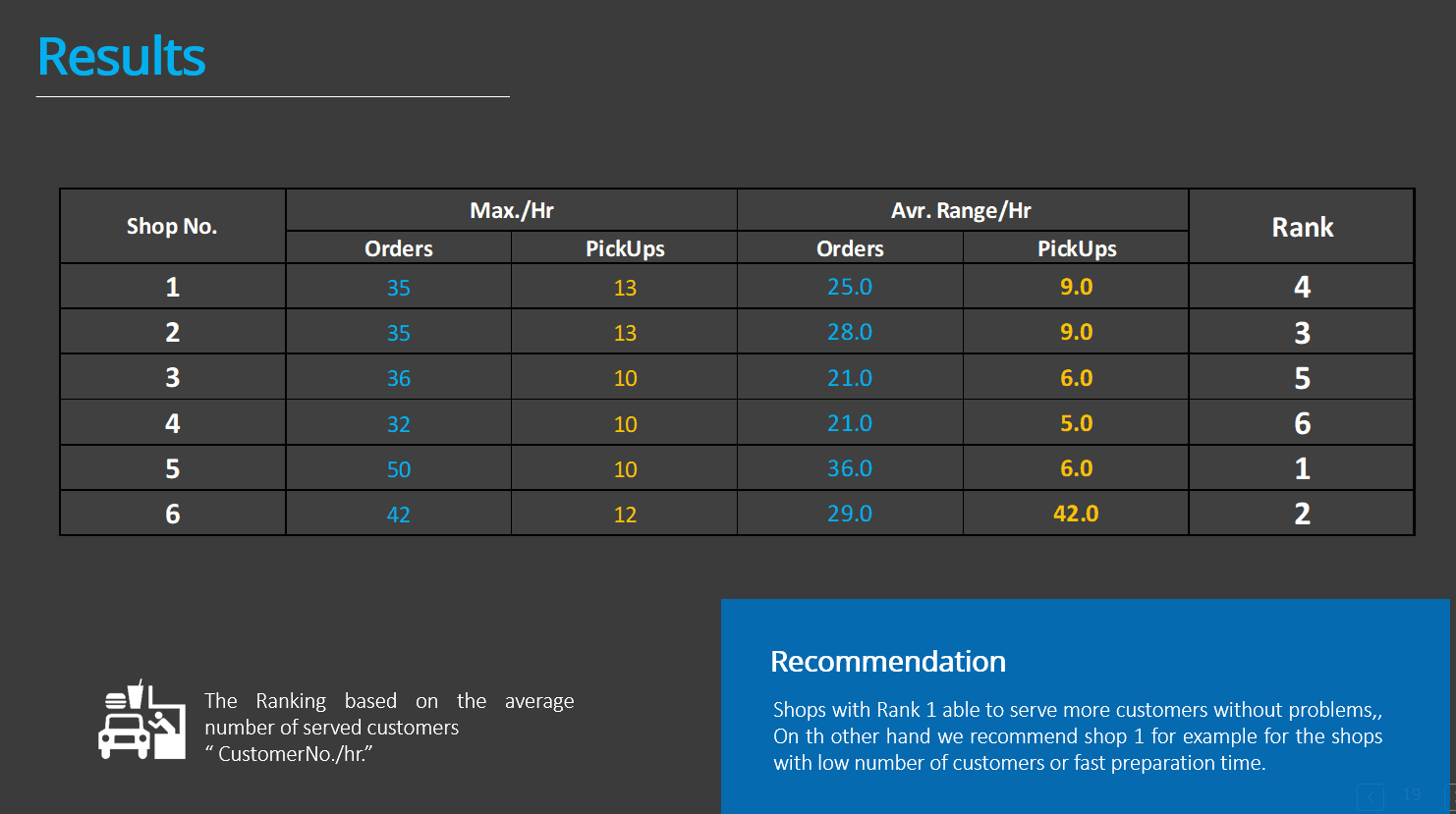
This simulation provides a data-driven approach to retail development by modeling the complex interaction between customer traffic and internal shop operations. Using AnyLogic, I developed a hybrid model that simulates agent-based driver behavior alongside discrete-event service processes. This allows developers to determine the exact saturation point of a site—identifying the maximum number of customers served and the optimum service time per shop. By testing different design layouts, we can pinpoint specific "enhancement points" that reduce wait times and maximize the commercial throughput of the entire mall.
Technical Highlights:
End-to-End Service Modeling: Integration of internal kitchen/shop service speeds with external vehicle arrival patterns.
Throughput Optimization: Scientific determination of the maximum customer capacity based on real-world traffic behavior.
Design Enhancement Identification: Visualizing bottlenecks in the site layout to suggest architectural improvements for better flow.
Predictive Service Timing: Calculating the ideal service duration for each specific shop location to ensure site-wide efficiency.

Engineering the Optimal Outcome: Targeted Simulation Case Studies
True project efficiency is found in the ability to predict and mitigate risks before they manifest on-site. My portfolio includes several specialized case studies where simulation was used to provide a roadmap for optimized delivery. For a residential villa compound, I developed a construction activity simulation that factored in specific risk events and their probabilities, allowing the project team to understand the likelihood of delays and implement proactive mitigation strategies. This probabilistic approach moves beyond traditional scheduling by accounting for the inherent uncertainty in construction environments.
In the realm of infrastructure, I applied these same principles to utility tunnel construction and road maintenance projects. For utility tunnels, the simulation focused on resource optimization—identifying the exact number of crews and materials required to achieve the fastest delivery at the lowest cost. For road enhancement projects, I integrated live traffic data into a maintenance optimization model. By simulating different lane-closure scenarios, we were able to provide the client with a scientifically backed recommendation for the optimum number of closed lanes, balancing construction speed with the need to minimize traffic congestion for the public.