Project Intelligence
& Data Analytics
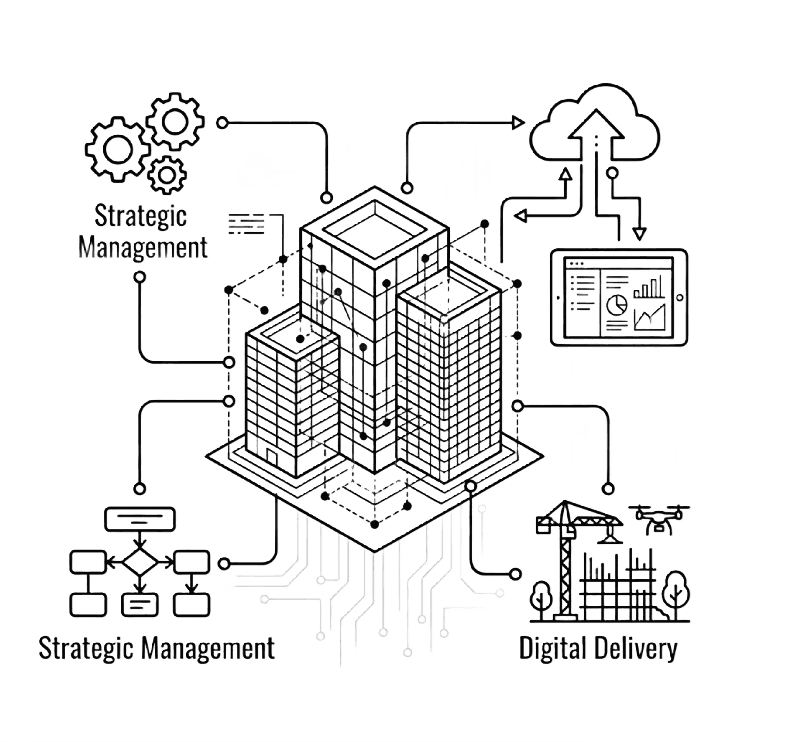
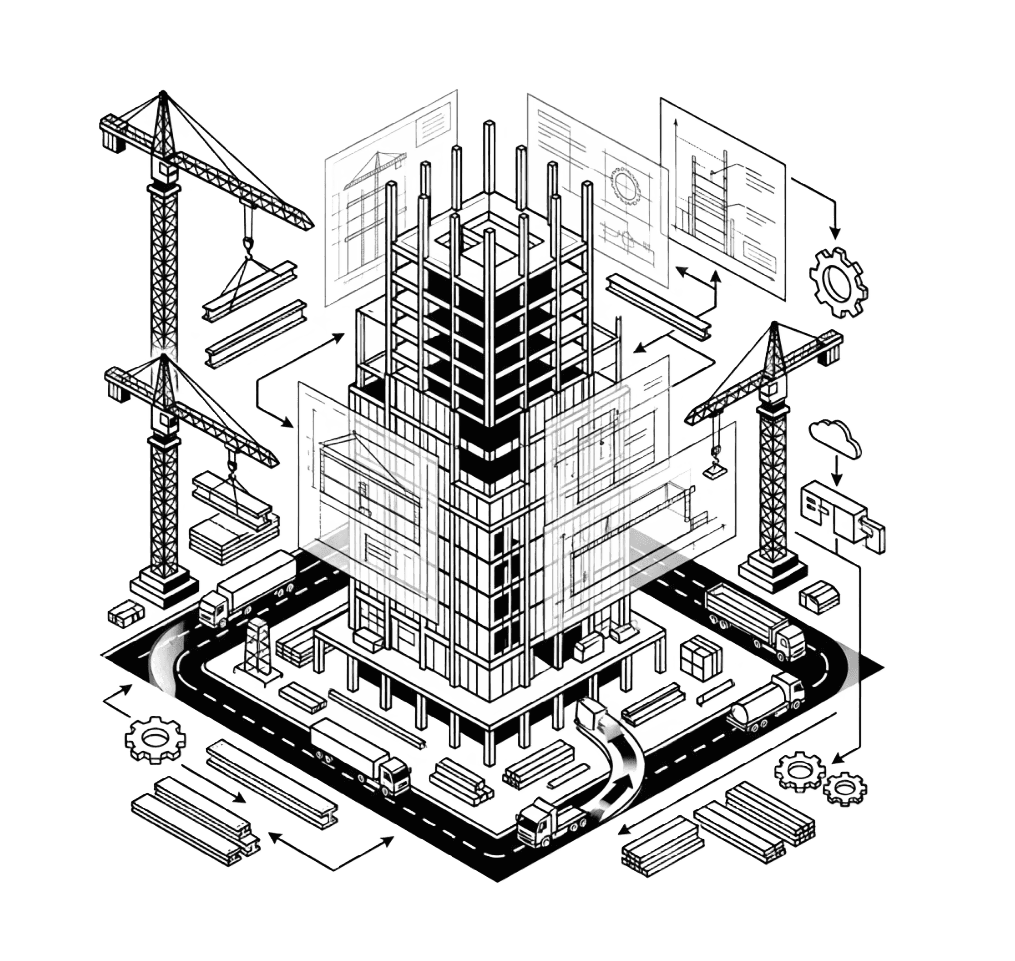
In the management of giga-projects, data is the most valuable asset. I specialize in transforming raw project data—from engineering man-hours to real-time model production—into interactive, high-level Power BI dashboards. By integrating BIM models, ACC (Autodesk Construction Cloud), and Primavera P6 schedules into a centralized analytics framework, I provide project leadership with the tools to monitor progress, identify risks, and make data-backed decisions. This page showcases live analytics solutions implemented for NEOM, RCJ, and Thakher Makkah, demonstrating a shift from reactive reporting to proactive, real-time project governance.
Core BI Capabilities:
Real-Time Progress Tracking: Automating the link between engineering WIP (Work in Progress) and executive dashboards.
BIM-Integrated Analytics: Synchronizing ACC model data with BI tools for visual production auditing.
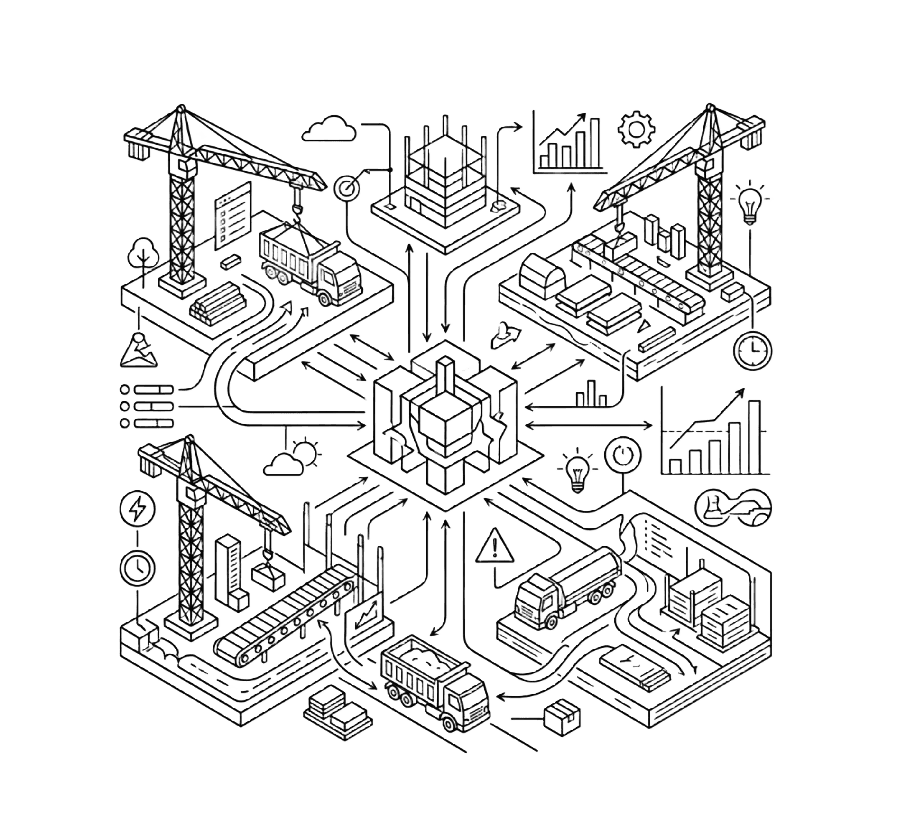
Schedule & Quantity Extraction: Linking P6 timelines to BIM to extract live material quantities (e.g., concrete pouring) based on selected durations.
Automated Data : Developing custom scripts to harmonize global standards and client requirements into a unified Level of Information (LOI).
On a project as complex as the NEOM Spine, traditional static reporting is insufficient for effective management. I addressed this by engineering a live Power BI dashboard specifically designed for our weekly engineering progress meetings. The power of this dashboard lies in its deep integration: it synchronizes the actual working hours of the engineering team with the real-time status of design submissions. This created a dynamic environment where the project’s "Work in Progress" was no longer a mystery, but a clearly visualized metric that updated as the team worked.
This analytical framework provided the project management team with the advanced tools needed for proactive governance. By automating the generation of S-curves and comparative "Planned vs. Actual" charts, the dashboard highlighted potential bottlenecks before they could impact the critical path. It transformed the way we presented progress to stakeholders—moving away from retrospective reports toward a real-time, data-driven narrative. This level of transparency ensured that every decision made during our weekly meetings was backed by the most current data available, maintaining the momentum required for NEOM’s infrastructure delivery.
For the Thakher Makkah project, I developed a live, interactive progress report designed to streamline communication during design follow-up meetings with RMJM. This dashboard uniquely synchronizes Power BI with ACC (Autodesk Construction Cloud) models, providing a real-time status update on design development, shop drawings, and model production. By linking engineering progress directly to the digital assets, the system ensures that every stakeholder can verify the maturity of the model against the project schedule, ensuring a seamless transition from design intent to construction documentation.
The NEOM Spine BIM Dashboard
On the NEOM Spine project, managing a high-volume BIM production team requires more than just oversight; it requires a data-driven strategy. I implemented a real-time Power BI dashboard that serves as the "heartbeat" of our modeling efforts for the water transmission infrastructure. By linking our internal progress databases to a series of interactive charts, I created a transparent ecosystem where every modeling task is tracked from initiation to final client review. This allowed the BIM leadership to monitor the "Work in Progress" with surgical precision, ensuring that our output remained synchronized with the aggressive project timeline.
Live Quantity Tracking for Trojena
The complexity of the Trojena environment demands a more agile approach to resource management. I addressed this by developing a Sample specialized Power BI dashboard for the project's third pump station, which functions as a live "5D" analytics engine. By integrating the Primavera P6 schedule files directly with the BIM models
Modern digital twins are defined by the depth and accuracy of their underlying data. For the RCJ Schools project, I led the development of an automated process designed to achieve a superior Level of Information (LOI) across all architectural and engineering models. As showcased in the technical video, this process involved the integration of diverse data inputs—ranging from global industry standards to the highly specific requirements of the Royal Commission. By moving away from manual data management, I implemented a "smart" ecosystem where information is dynamically linked and validated, ensuring the integrity of the digital asset throughout its lifecycle.